

Healthy Meal Planning Made Simple: Your Step-by-Step Guide to Stress-Free Eating
June 24, 2026
Behind the Canvas: The Daily Routine of Successful Artists
June 24, 2026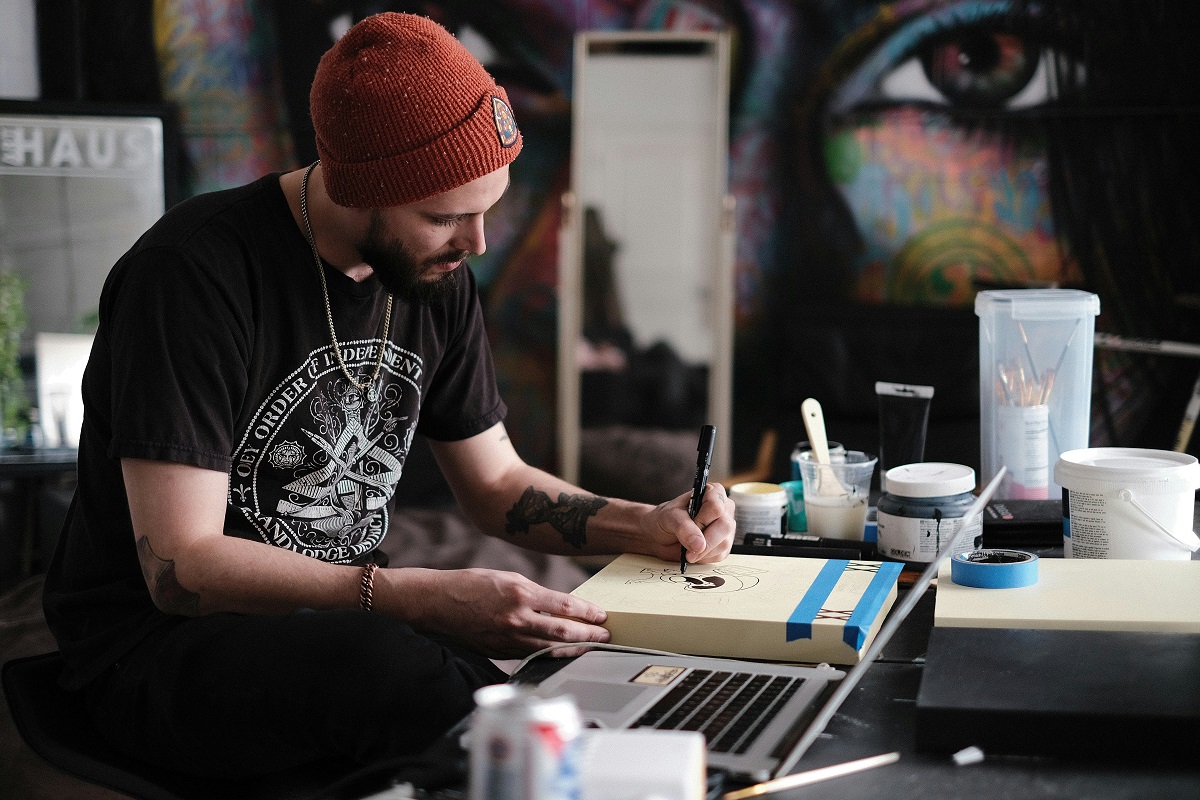
Every masterpiece begins with a single brushstroke. Every chart-topping track starts as a simple melody. And every successful artist brand? It often begins as nothing more than a hobby—a creative outlet squeezed between work shifts, school runs, and life’s daily demands.
The journey from passion project to profitable career is one of the most transformative paths an artist can take. Today, independent artists have more opportunities than ever to build sustainable careers without relying on traditional gatekeepers. Streaming platforms, social media, and direct-to-fan tools mean you can now reach a global audience from a bedroom studio. But the path requires more than talent alone—it demands strategic branding, business acumen, and unwavering authenticity.
Here’s how independent artists across disciplines have turned their creative hobbies into thriving careers—and how you can too.
The Mindset Shift: From Hobbyist to Business Owner
The transition from creating for pleasure to creating for profit is as much psychological as it is practical. Abbie Franks, who left her junior design job to found Proper Good, started her business with less than £500. Her advice? Expect the first few months to feel hard.
“When you go from employment to self-employment, structure often disappears overnight,” Franks explains. The sudden loss of routine, clear priorities, and external direction can feel overwhelming. Her solution was simple but effective: getting her own studio to create physical separation between work and life, and planning for trade shows to build concrete deadlines.
Practical takeaway: If you’re struggling to find rhythm as a self-employed artist, recreate structure deliberately. Set fixed working hours, establish a dedicated workspace, and create external accountability through deadlines, events, or collaborations.
Building Your Brand Foundation: The What, Who, and Why
Before you can sell your art, you need to define it. A strong brand identity is the cornerstone of any successful independent artist career. As FAD Magazine notes, “a consistent visual language, clear messaging, and a defined set of values set the foundation for recognition and trust”.
Define Your Identity (The “What”)
Your brand starts with understanding your creative identity. According to the DIY Musician guide, the best place to build your brand is through your art itself. Ask yourself:
- What genre or style defines your work?
- What moods does your art evoke?
- What recurring themes or ideas emerge in your creations?
- How do you want your audience to feel when experiencing your work?
Synthesize these answers into a clear description of your art, then distill it further into a memorable sentence or two.
Tell Your Story (The “Who”)
“Your brand differentiates you from other artists, even if they’re in the same genre”. Your unique background, experiences, and perspective are what set you apart.
Reflect on questions like: What drew you to your art form? What people, places, or experiences shaped your journey? What makes your approach unique? The goal is to give your audience a clearer sense of the person behind the art.
Define Your Values (The “Why”)
“Take a moment to zoom out from your music and think big picture: how does your music fit into your life, what are you trying to communicate, and what world are you trying to create for your fans?”
Your core values give your brand depth and meaning. They help fans build deeper connections with you and your work. Consider what your art stands for, what personal story or ambition drives you, and what message you want to share with the world.
Authenticity: The Secret Weapon
In a crowded marketplace, authenticity isn’t just nice to have—it’s essential. Forbes emphasizes that “authenticity, storytelling and emotional connection are key to creating a memorable personal brand”.
Maku Fenaroli’s journey illustrates this perfectly. After years of trying to be taken “seriously” as a gallery artist, she found her breakthrough when she stopped worrying about what people thought and simply showed up online—raw, unpolished, and chaotic. “It resonated,” she says.
What authenticity looks like in practice:
- Sharing behind-the-scenes content and your creative process
- Being vulnerable about challenges and setbacks
- Speaking in your genuine voice, not corporate jargon
- Showing the world behind the art, not just the finished product
Consistency: Building Trust Through Recognition
“Consistency builds trust,” emphasizes MusicDigi. Use the same colors, fonts, logos, and tone of voice across your social media, website, and promotional materials. When people see your posts or hear your name, they should instantly recognize your brand.
This doesn’t mean every post must be identical—but there should be a cohesive thread that ties everything together. Your album covers, social graphics, and merchandise should feel connected.
Even more powerful than a consistent brand is a world—a connected universe where each release or project is a chapter, not a one-off. That’s what keeps fans coming back.
Leveraging Social Media and Digital Tools
In 2026, independent artists have access to tools that major labels couldn’t have imagined a decade ago. But with opportunity comes noise—over 100,000 tracks are released every single day.
Short-Form Video: The Discovery Engine
“Short-form video (TikTok, Reels, Shorts) is still the single biggest discovery engine for new artists,” notes marketing expert Ashwin Gane. It’s free, and it rewards distinctiveness over polish.
Principles that work:
- Post consistently, not perfectly
- Lead with a hook in the first second
- Make your sound or visual clippable
- Show the world, not just the art
Know Your Audience
“You can’t create a strong brand without knowing who your audience really is,” cautions Identity Music. Use analytics from platforms like Spotify for Artists to understand demographics. Research the people who interact most with your content. Create detailed personas of your ideal fans—give them names, understand their interests, and know where they spend time online.
Own Your Audience
A crucial principle for independent artists: own your audience—don’t rent it. While social media platforms are powerful for discovery, they can change algorithms or policies at any time. Build email lists, create websites, and develop direct relationships with your fans that aren’t dependent on any single platform.
The Business Side: Skills Every Artist Needs
“Becoming a ‘business person’ takes time,” Franks admits. “It’s one thing to design something—but if you don’t know how to sell, you won’t make money”.
Financial Literacy
Independent artists must learn about cash flow, tax returns, pricing, and international trade. These skills often aren’t taught in art schools, but they’re essential for sustainability.
Legal Protection
Protect your intellectual property through copyright registration and understanding licensing agreements. Set up proper bookkeeping practices and adhere to business regulations.
Adaptability
“Let your business model evolve,” advises Franks. What works when you’re starting out may need to change as you grow. Be willing to pivot, experiment, and embrace new opportunities.
Real Stories: Artists Who Made the Leap
Mugdha Khandelwal: From Finance to Heritage Brand
After fifteen years in finance, Mugdha found herself painting alongside her daughters during school holidays. Without formal art training, she learned by doing. Today, her brand ADA features hand-painted bags and sarees created by traditional Rajasthani artists.
Her philosophy: “It’s not the bag people are buying—it’s the art. They are walking with the heritage of Rajasthan”.
Maku Fenaroli: From Corporate to Wearable Art
Maku Fenaroli painted a wall on Melbourne’s AC/DC Lane in 2013—an impulsive act that eventually led her to leave her corporate job. The turning point came when she printed her paintings on T-shirts, selling them from her kitchen table. Four months later, she resigned.
Today, Maku The Label is a thriving wearable-art brand, built on the principle of printing to order—allowing growth without holding stock or taking on debt.
Practical Steps to Start Your Journey
- Define your brand identity—your what, who, and why
- Create a brand statement that captures your essence in a few sentences
- Build a professional online presence—website, social media, and portfolio
- Post consistently on platforms where your audience lives
- Engage directly with fans through comments, messages, and exclusive content
- Collaborate with other artists to expand your reach
- Learn the business skills—pricing, taxes, contracts, and marketing
- Stay authentic—your unique voice is your greatest asset
The Bottom Line
The journey from hobby to career isn’t easy. There will be doubts, financial adjustments, and constant balancing acts. But as Mugdha Khandelwal advises: “Never lose your confidence. Keep your willpower strong, and the road will clear for you”.
In today’s creative economy, independent artists have more power than ever before. The gatekeepers are gone. The tools are accessible. The audience is global. What remains is your vision, your voice, and your willingness to build something that lasts.
Your hobby isn’t just a pastime—it’s the foundation of a career waiting to happen. Start building your brand today.