
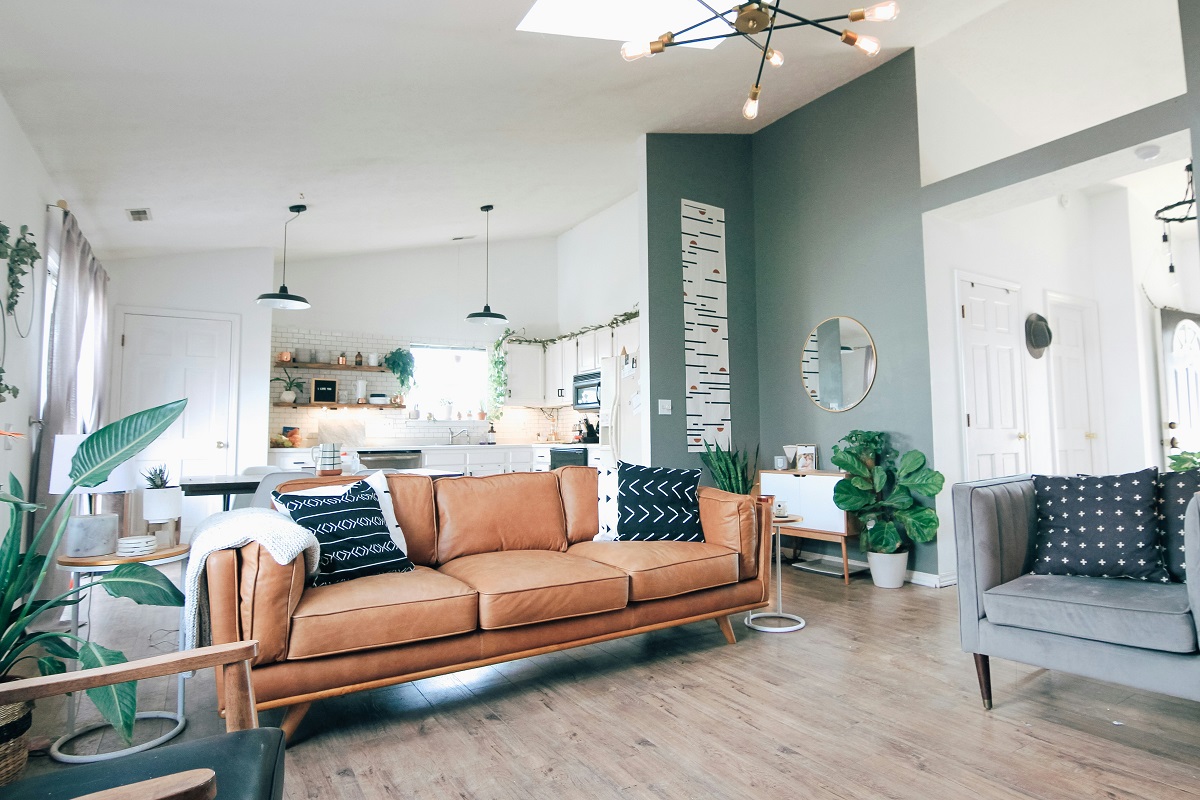
10 Easy Home Styling Tips to Make Any Room Look Expensive
June 24, 2026
How Small Daily Habits Create Extraordinary Results
June 24, 2026
Meta Description: Discover expert-backed strategies for styling small spaces, from multifunctional furniture and vertical storage to color drenching and strategic mirrors. Transform your apartment or tiny home into a spacious, stylish sanctuary.
Introduction
Compact living is no longer just a trend—it’s a lifestyle shift driven by urbanization, rising property costs, and a growing embrace of minimalism. Whether you’re navigating a studio apartment, a tiny home, or a cozy city flat, the challenge is the same: how do you fit a full life into a smaller footprint?
The good news is that small spaces can be just as stylish, functional, and inviting as their larger counterparts—often more so. With the right strategies, you can transform spatial constraints into creative opportunities. This guide brings together expert-backed ideas to help you maximize every square foot without sacrificing personality or comfort.
1. Embrace Multifunctional Furniture
When every square foot counts, your furniture needs to work harder. Multifunctional pieces are the cornerstone of smart small-space design.
What to look for:
- Sofa beds and convertible sofas that transition from seating to sleeping
- Storage ottomans that serve as seating, footrests, and hidden storage for blankets or books
- Coffee tables that raise to dining height—perfect for meals in a studio
- Fold-down wall-mounted desks that tuck away when not in use
- Beds with under-bed storage drawers to maximize every inch
As interior designer Kim White puts it: “In a small space, multifunctional furniture is the closest thing to a cheat code. You get the dining table and the bar cart. You don’t have to give anything up.”
The key is choosing pieces that are genuinely chic, not utilitarian. Today’s multifunctional furniture has undergone a transformation—it’s sophisticated, well-designed, and doesn’t look like it’s trying too hard.
2. Think Vertical
When you run out of floor space, look up. Vertical space is often the most underutilized asset in small homes.
Vertical strategies that work:
- Floor-to-ceiling shelving draws the eye upward and creates the illusion of height
- Tall bookshelves and wall-mounted storage free up valuable floor space
- Lofted beds (if ceiling height allows) free up floor area for living or work zones
- Over-door storage systems make use of often-ignored spaces
- Hanging plants add life and draw the eye upward
According to tiny home experts, floor-to-ceiling shelving is “the single most effective transformation you can make in a small space, whether it’s in a lounge, bedroom or kitchen.”
The goal is to preserve open floor space for movement while maximizing storage capacity above. When your storage climbs, your room breathes.
3. Master the Art of Zoning
One of the most powerful tricks for making a small space feel larger is creating distinct functional zones—without building walls.
How to zone without walls:
- Use area rugs to define separate areas for dining, working, and relaxing
- Position furniture strategically—a sofa with a low back can act as a visual divider between living and work zones
- Use lighting (pendant lights, floor lamps) to distinguish different areas
- Maintain a unified color palette across zones to keep the space feeling cohesive
Designer Mar Jennings explains: “The best way to make any home feel larger is to create different areas within a small space.” This approach preserves open sightlines while clearly defining functions like sleeping, dining, and working.
4. Leverage the Power of Light and Color
Color Drenching
Color-drenching—painting the walls, woodwork, and ceiling in the same hue—creates an illusion of depth that makes small rooms appear bigger.
Interior designer Sam Grigg notes: “The key is to pick a colour that resonates with you—and how you want to feel in that space. If soft neutrals or muted pastels feel calm and airy to you, use these to keep things feeling open and expansive. On the other hand, don’t be afraid to go dark and deep if you’re drawn to rich, bold hues and want your space to feel more cocooning.”
Light Colors and Neutrals
Light colors like whites, creams, and soft pastels reflect natural and artificial light, making rooms feel airy and open. Designers are increasingly ditching stark white in favor of “new neutrals”—warmer, richer tones like muted earthy hues that create depth without visually chopping up the space.
Layered Lighting
A single overhead light isn’t enough. Layered lighting—combining ambient, task, and accent lighting—creates depth and versatility in compact homes.
Designer Abigail Ahern says: “Layering lighting creates a magical atmosphere, curating little glowing pools of light that cast a dappled glow and make any space look heavenly.”
Lighting essentials:
- Wall sconces for ambient glow
- Floor lamps for flexibility
- Under-cabinet lighting for task illumination
- Portable cordless lamps for hard-to-reach areas
5. Use Mirrors and Reflective Surfaces
Mirrors are the oldest trick in the book—and for good reason. A well-placed mirror can make a room feel twice its size.
Mirror strategies:
- Place a large mirror opposite a window to reflect light and scenery
- Use mirrored closet doors to brighten dark corridors
- Add a tall mirror near the dining space or hallway for instant breathing room
- Incorporate reflective finishes like lacquered cabinetry or glass tabletops
Interior designer Nilima Hossain shares: “In smaller apartments, I always place a tall mirror near the dining space or hallway. It instantly adds breathing room.”
That said, too many mirrors can feel like a dance studio. Aim for one strategic wall or a tall mirror near a window.
6. Prioritize Storage That Works
Clutter is the enemy of small spaces. Effective storage keeps your home organized without sacrificing aesthetics.
Smart storage solutions:
- Hidden storage—beds with underframe drawers, benches with lift-top seats, recessed wall niches
- Modular and stackable systems that adapt to evolving needs
- Underutilized spaces—beneath staircases, above doorways, toe-kick drawers beneath kitchen cabinets
- Built-in benches with hidden storage that turn odd angles into useful features
- Closed cabinetry to reduce visual clutter and keep sightlines clean
The 2026 trend of “subtle storage” means storage that masquerades as something else or serves multiple purposes. Designer Rachel Simpson explains: “We’re seeing clients move away from ‘fold-away everything’ and instead investing in pieces that quietly do double duty… It’s less about hiding things and more about integrating them beautifully.”
7. Pay Attention to Scale
Scale is everything in a small space. The right furniture proportions can reduce visual clutter and create the illusion of a larger room.
Scale tips:
- Choose furniture with exposed legs—this allows light and air to flow underneath, preventing a heavy look
- Avoid oversized pieces that block traffic flow
- Check measurements on pull-out sofas and Murphy beds—you want space to access both sides
- Use large-scale patterns sparingly—a statement rug or large artwork can add drama without overwhelming
Designer Allison Garrison advises: “Space planning is so important in a small space. It doesn’t mean you need miniature furniture, but you need to make sure you are not blocking traffic flow.”
8. Embrace Current Trends (That Actually Work in Small Spaces)
Curves and Softened Forms
The rigid, ultra-minimal lines of previous years are being softened. Curved furniture visually flows better in tight spaces, avoiding harsh corners that interrupt movement.
Richer “New Neutrals”
Say goodbye to ultra-cool greys. Warmer, earth-inspired palettes add depth and character to smaller spaces.
Artisanal Details
Details that used to be forgotten—like the insides of cabinets or drawer linings—are getting the same care as everything on display.
Peel-and-Stick Wallpaper
For renters, peel-and-stick wallpaper offers a low-commitment way to add personality to an accent wall.
9. Edit Ruthlessly
The hardest—and most crucial—tip: edit ruthlessly. Keep only what you truly love or need.
Editing strategies:
- Audit your belongings before designing storage—design for what you own, not what you might accumulate
- Minimize visual clutter with hidden storage solutions
- Keep the floor clear—mount furniture like floating shelves or wall-mounted desks to open up the room
- Maintain a consistent color palette to prevent visual fragmentation
A clutter-free space instantly feels larger.
Conclusion
Styling a small space isn’t about limitation—it’s about intention. By embracing multifunctional furniture, thinking vertically, mastering zones, leveraging light and color, and prioritizing smart storage, you can transform any compact home into a spacious, stylish sanctuary.
The most important takeaway? Small spaces spark big creativity. They force you to curate, to prioritize, and to design with purpose. And when done right, the result is a home that feels not just functional, but deeply personal.
Ready to transform your space? Start with one strategy from this list—and watch your small space feel dramatically bigger.